Research Lines
We study the self-assembly of biological (peptides, proteins, and viruses), organic (polymers), and inorganic (nanoparticles) nanoscale objects. A special scientific aim is understanding the adsorption of water on viruses. Our technological goals are the development of data storage in DNA, and testing novel scaffolds for tissue engineering.
Liquids on viruses
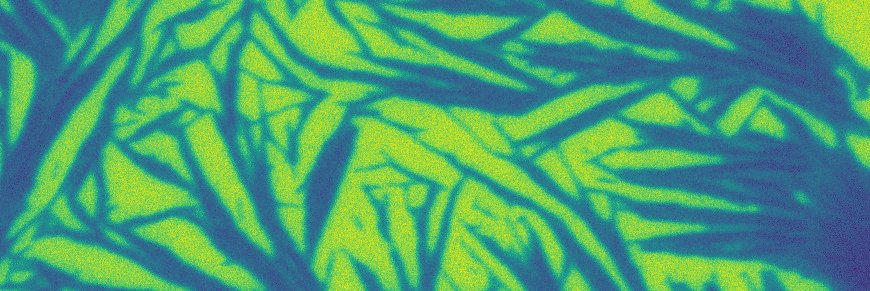
Bundles of tobacco mosaic virus (TMV), the textbook example for self-assembly, wetted by an ionic liquid.
Electrospinning
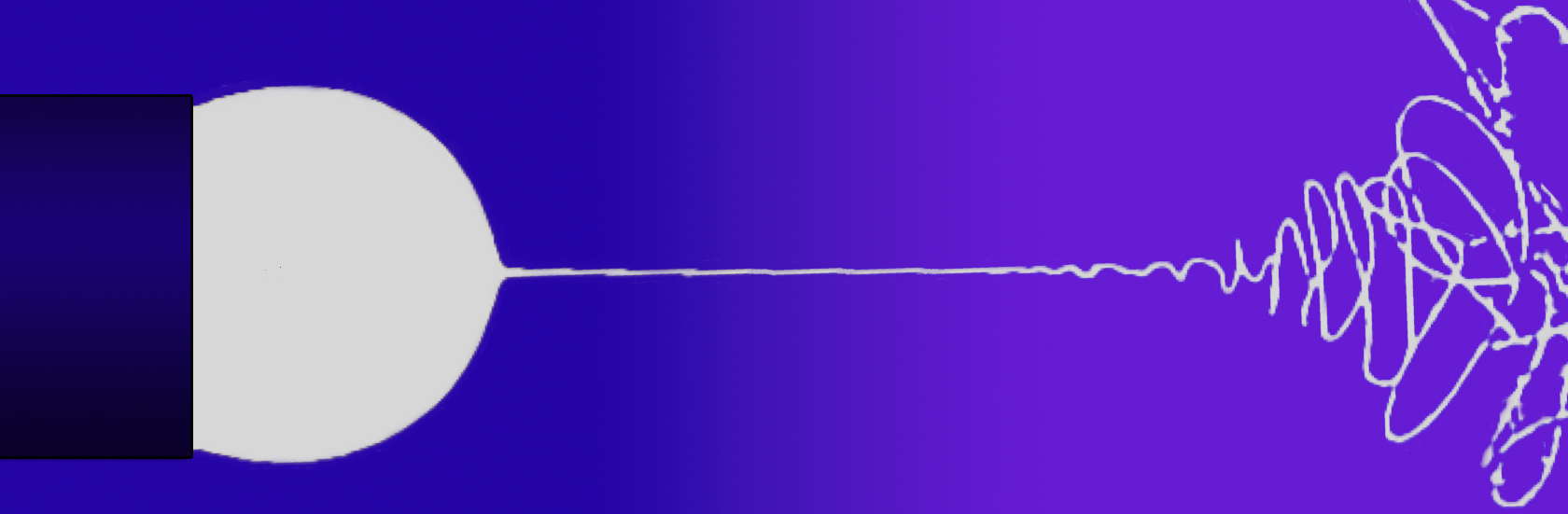
Assembly of proteins, peptides, polymers by electrospinning to micro- and nanofibers.
Data storage in DNA
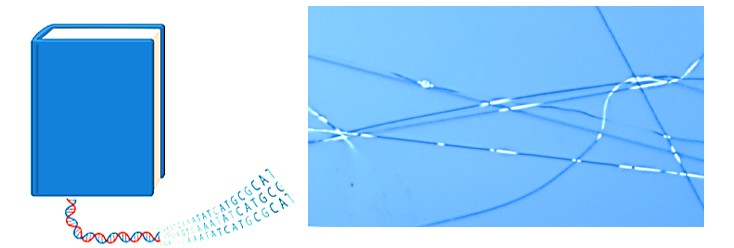
Data are coded into DNA bases. The sequence is translated into a long DNA strand.
Melt electrowriting
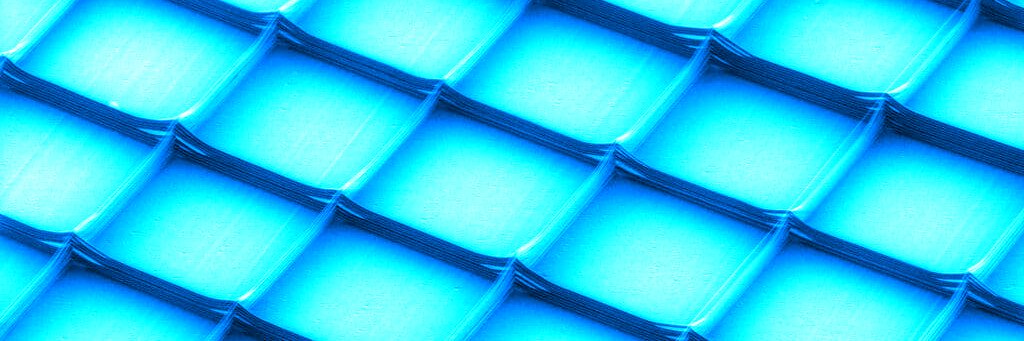
Melt electrowriting processes a stream of liquid polymer in an electrical field into a fibre, comparable to 3D-printing.
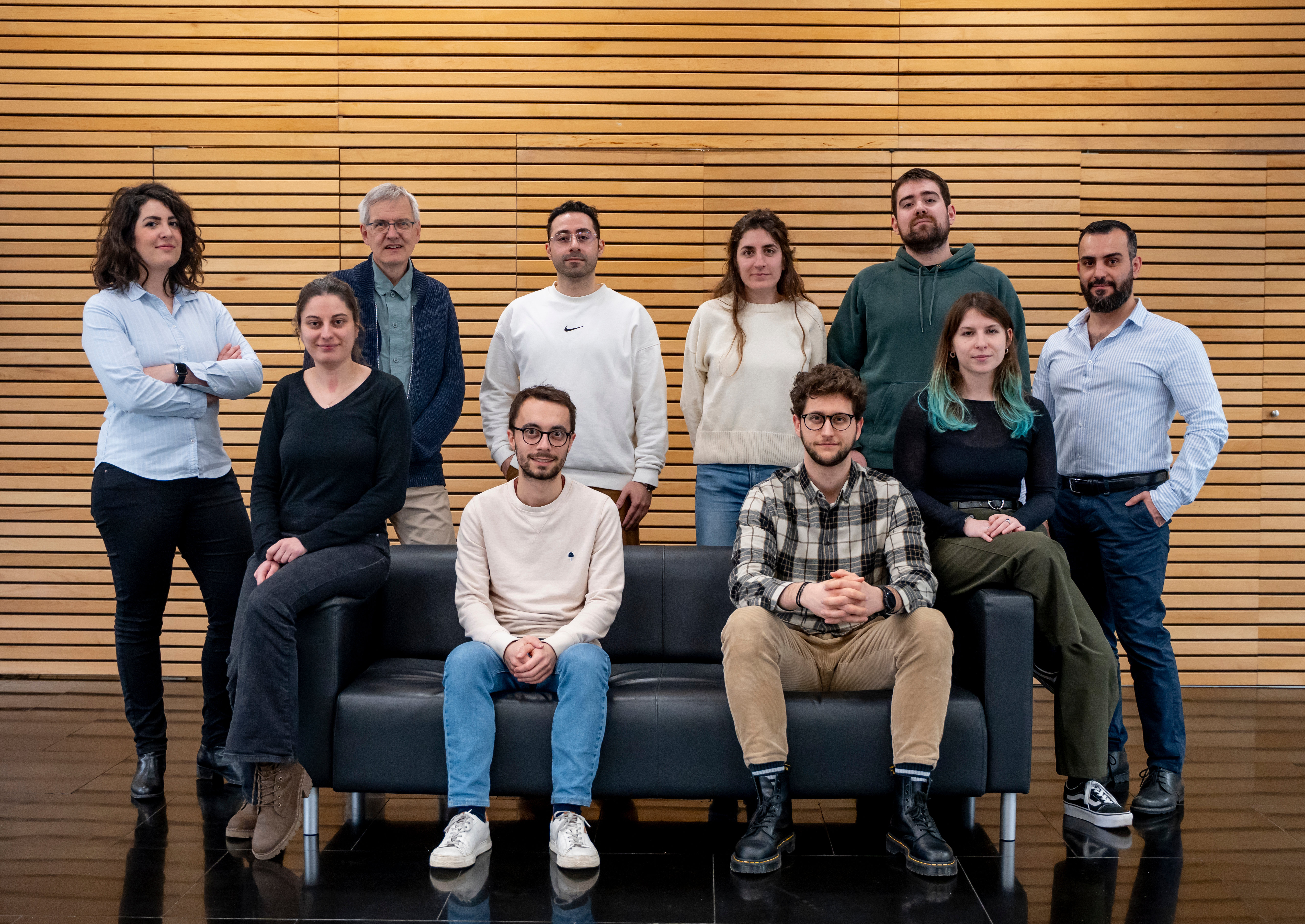
Research team